

Our Contributors
Meet the researchers, policy professionals and practitioners whose experience and expertise strengthen Navneeti’s evidence-led work across governance, development and social impact.

Evaluating Public Policy Interventions for WomenEntrepreneurship and Inclusive Growth in India
Evaluates how public policy can strengthen women entrepreneurship, improve access to opportunity and support inclusive economic growth in India.

Corporate Responsibility in Public Health, Sanitation, and WASH: Addressing India's Social Infrastructure Deficit
Discusses how corporate responsibility can address gaps in public health, sanitation and WASH infrastructure for stronger social outcomes in India.
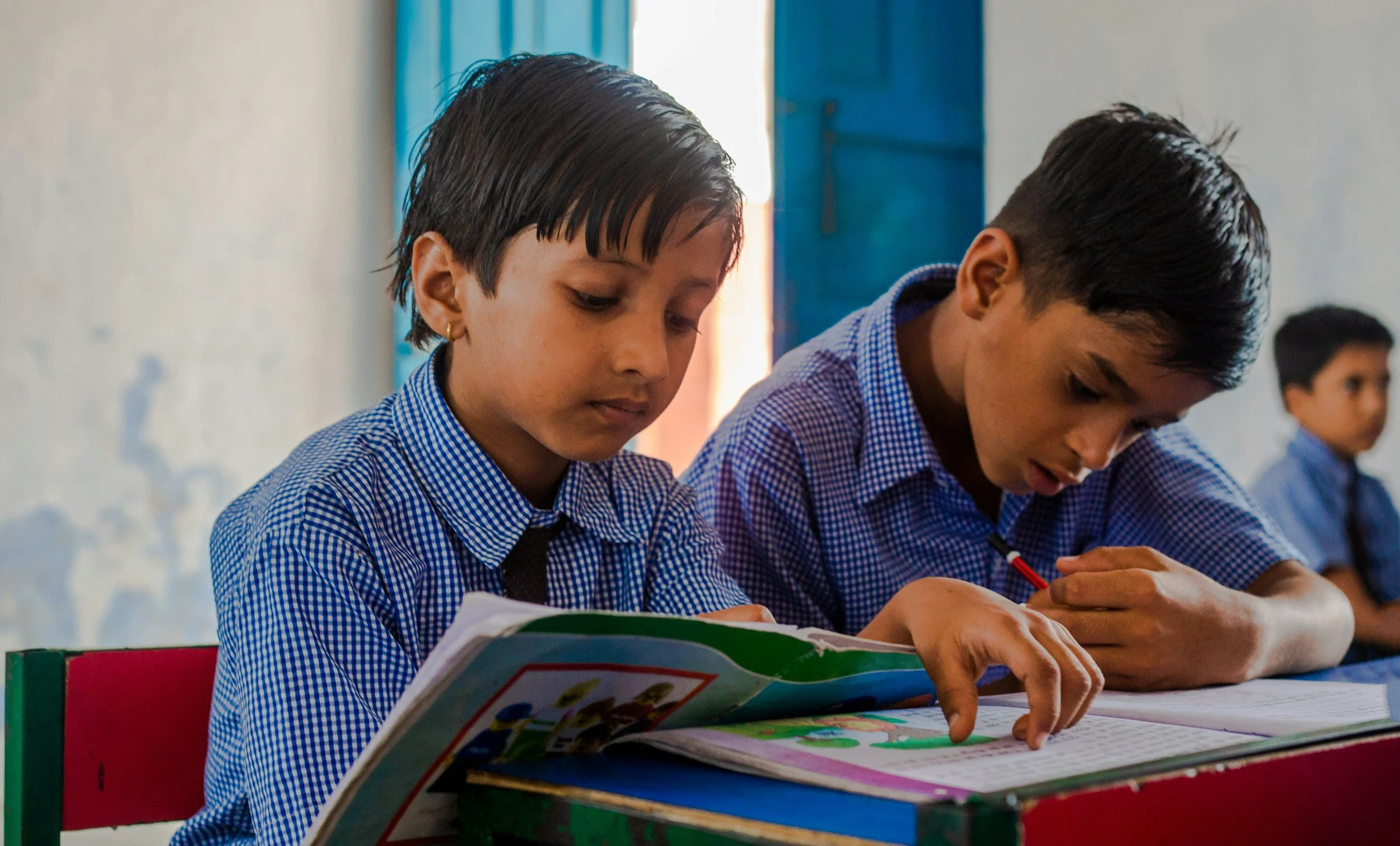
Corporate Social Responsibility as a Catalyst for Educational Transformation and Skill Development in India
Explores how CSR can support education, skills and institutional capacity, helping bridge opportunity gaps and strengthen India’s human capital.
Policy Papers
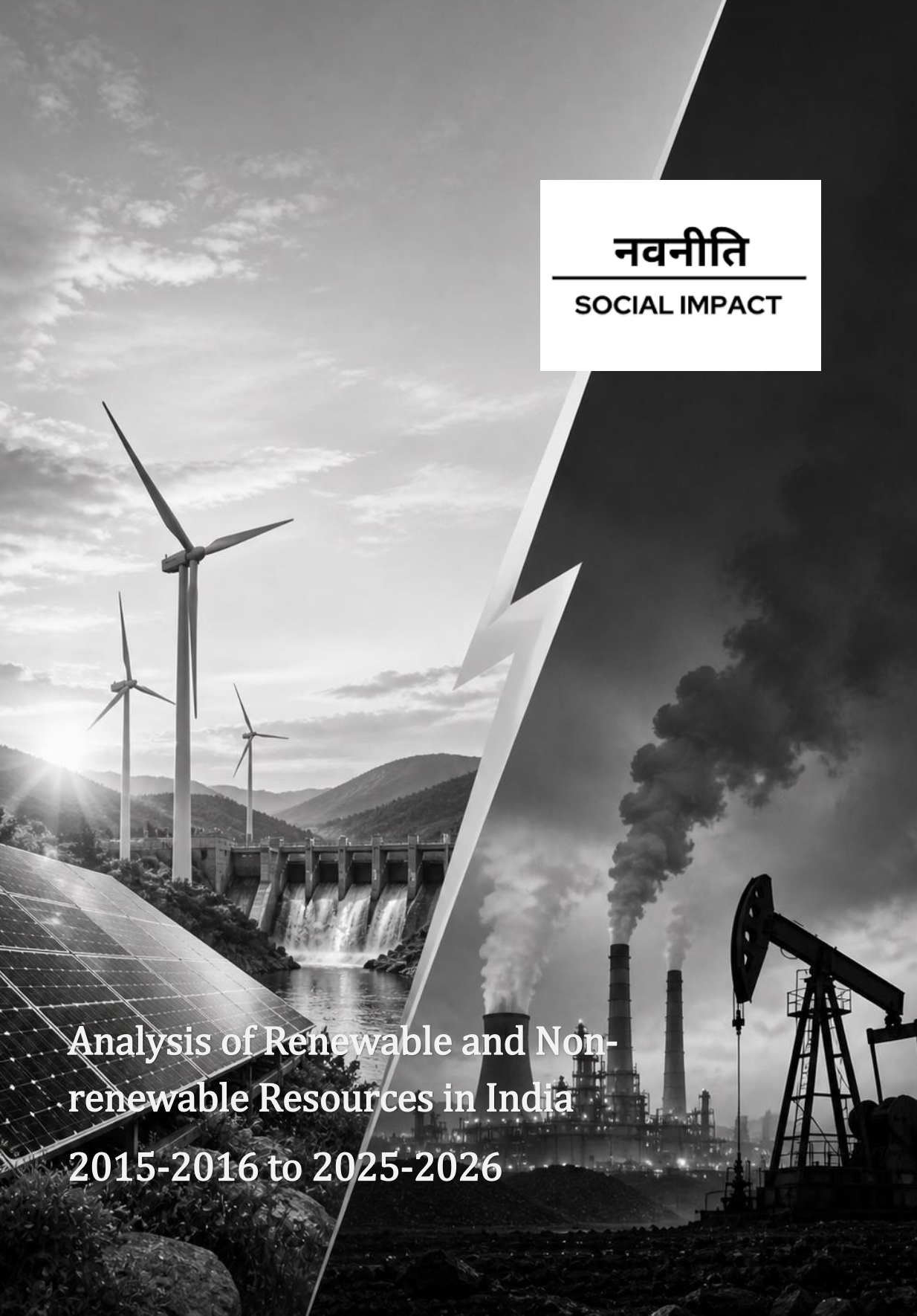
Analysis of Renewable and Non-Renewable Energy Resources in India
Authors: Armaan Grewal, Aditi Rastogi
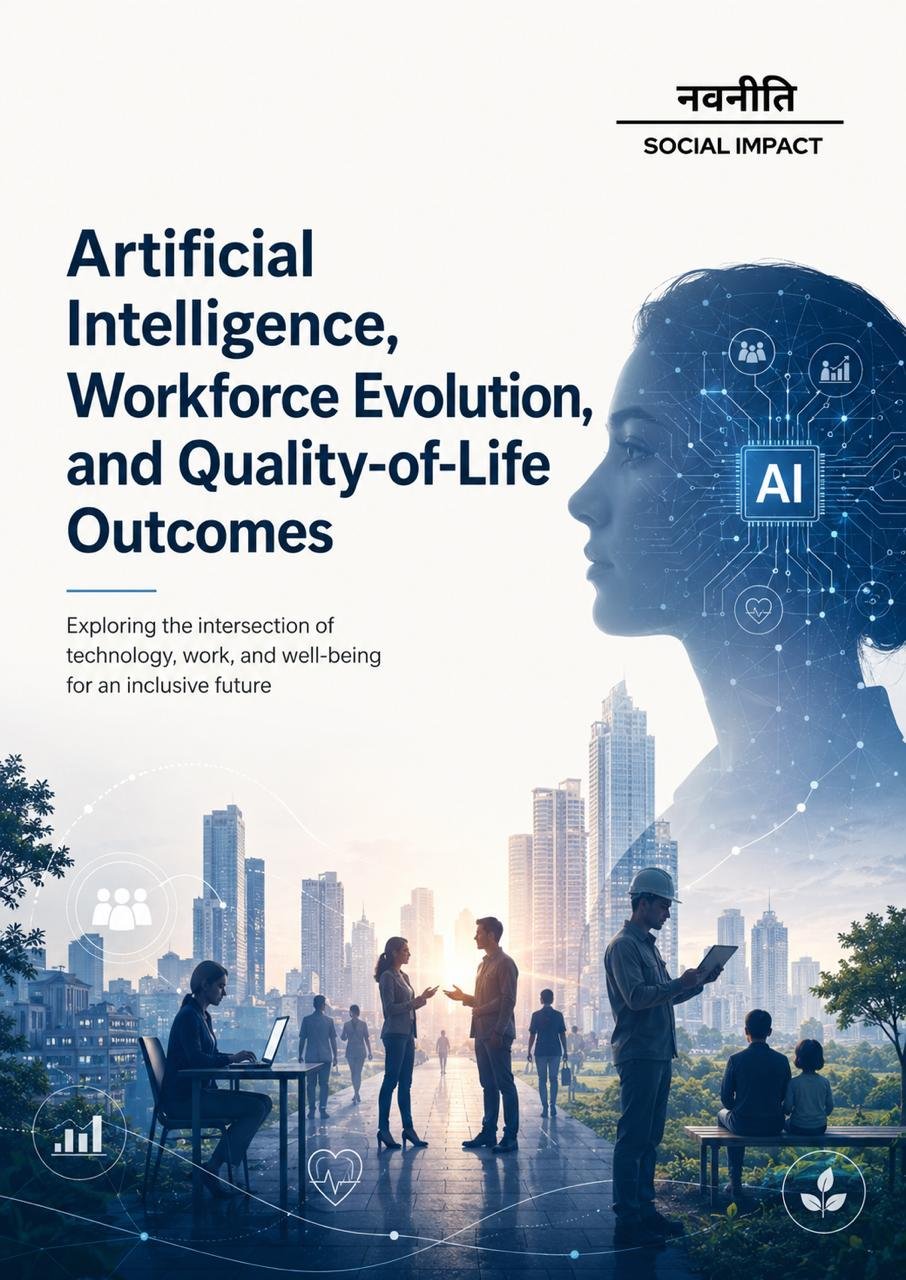
Artificial Intelligence, Workforce Evolution and Quality of Life Outcomes
Author: Archita Gaur
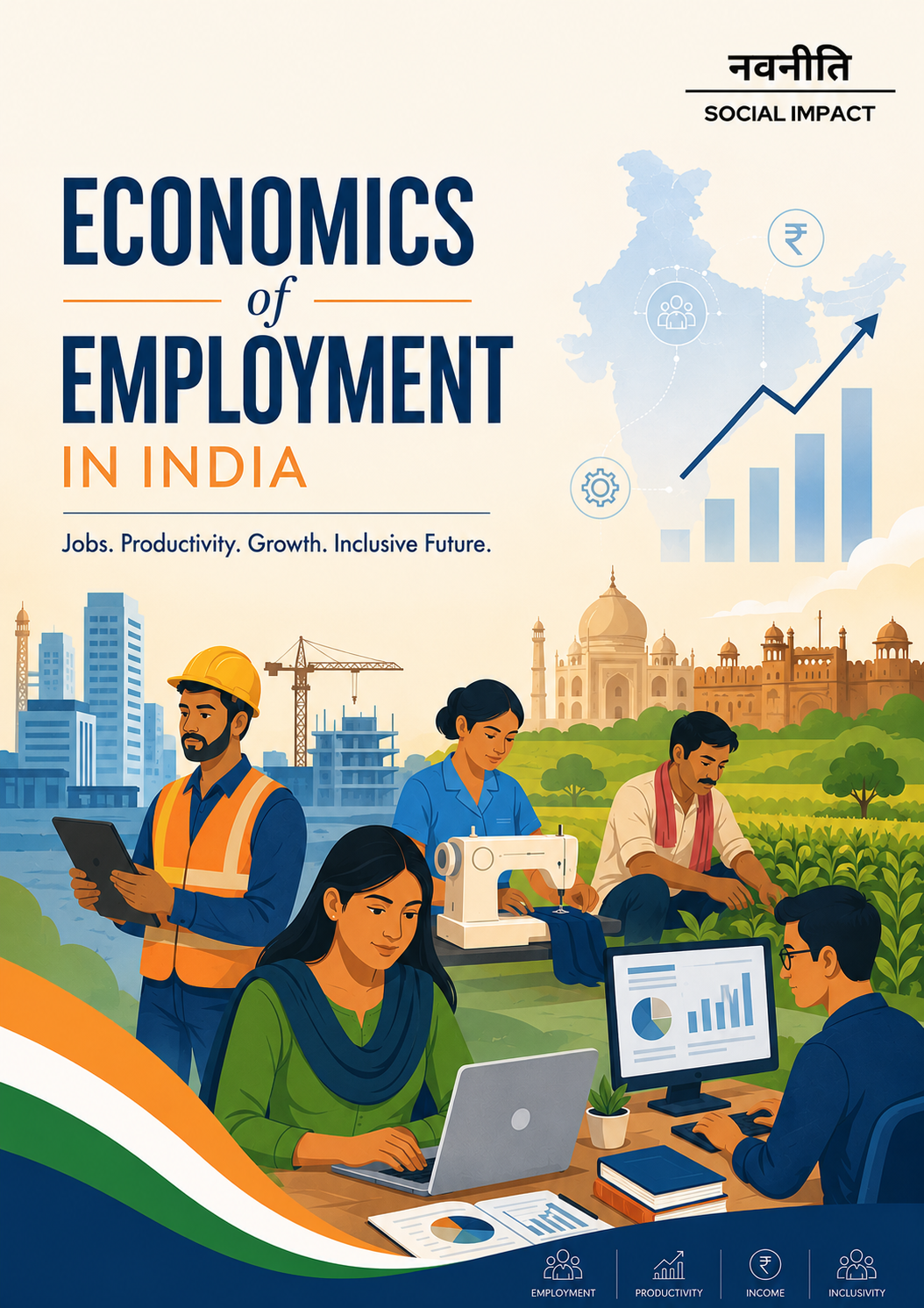
Economics of Employment in India
Authors: Archita Gaur, Shruti Chaudhary